




Learning how to inhale a vape correctly is one of the most important steps for anyone new to vaping. Many beginners assume vaping works the same way as smoking, but improper technique is the main reason people experience coughing, harsh throat hit, dizziness, or disappointment. Understanding how to vape properly improves flavor, reduces irritation, and helps you choose the right device and nicotine strength for your needs.
This complete guide explains how to inhale a vape using the two main vaping styles, mouth-to-lung vaping and direct-to-lung vaping. It also covers step-by-step techniques, common mistakes, device settings, and health considerations so you can vape comfortably and safely.
The Two Main Vaping Styles: MTL vs DTL
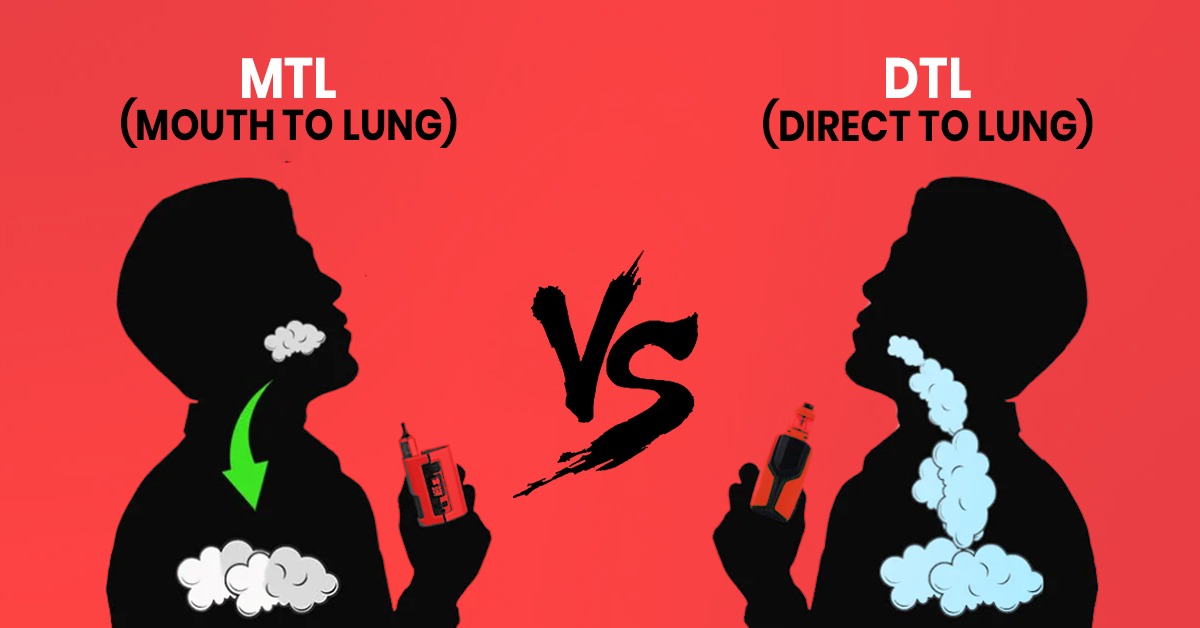
Before learning how to inhale a vape, it is essential to understand that there are two primary vape inhaling techniques. Each style feels different and requires specific devices, airflow, and nicotine levels.
Mouth to Lung (MTL): The Beginner Friendly Method
Mouth-to-lung vaping is the most beginner-friendly vape inhaling technique. It closely mimics how people smoke cigarettes. Vapor is first drawn into the mouth, held briefly, and then inhaled into the lungs with a second breath.
MTL vaping works best with pod systems, disposable vapes, and low-wattage devices. It produces smaller vapor clouds, delivers a noticeable throat hit, and uses higher nicotine strength. This method is ideal for vaping for beginners and for smokers transitioning to vaping.
Direct to Lung (DTL): For Advanced Users
Direct to lung vaping is a more advanced vape inhaling technique. Instead of holding vapor in the mouth, you inhale it straight into your lungs in one smooth breath, similar to deep breathing.
DTL vaping produces larger clouds and requires lower nicotine strength due to higher vapor volume. It is commonly used with vape mods, sub-ohm tanks, and open airflow setups. Beginners often find DTL vaping harsh if they start too quickly or use the wrong settings.
Step by Step: How to Inhale a Vape Properly (MTL Method)
If you are new and want to know how to inhale a vape properly, start with mouth-to-lung vaping.
First, place the mouthpiece gently between your lips. Do not inhale forcefully. Take a slow and steady draw for about three to five seconds. Think of sipping through a straw rather than taking a deep breath.
Next, hold the vapor in your mouth for a brief moment. This pause allows the vapor to cool slightly and reduces throat irritation.
Then inhale the vapor into your lungs by breathing in fresh air through your mouth or nose. After that, exhale slowly.
This vape breathing technique helps prevent coughing and gives you better flavor control. It is the most recommended method for beginners learning how to vape properly.
How to Inhale a Vape Using the DTL Method
For direct-to-lung vaping, the inhale process is different. Place the mouthpiece to your lips and inhale deeply in one continuous breath. There is no holding vapor in the mouth first.
DTL vaping requires open airflow and proper wattage settings. Inhale smoothly for two to four seconds, then exhale. Avoid sharp or aggressive breaths, as this can overwhelm your lungs and cause coughing.
This method is not recommended for first-time users, especially if you are using nicotine salts or high-nicotine e-liquid.
Common Mistakes That Cause Coughing and Throat Hit
Many people struggle when learning how to hit a vape because of common beginner mistakes.
One major mistake is inhaling too hard. Vaping is not about pulling vapor forcefully. Slow and controlled draws work best.
Another issue is using the wrong nicotine strength. High nicotine with DTL vaping often causes dizziness, nausea, or a harsh throat hit. Low nicotine with MTL vaping may feel unsatisfying and lead to overuse.
Not priming coils properly can also cause dry hits, which are extremely harsh and unpleasant. Chain vaping without breaks overheats the coil and increases throat irritation.
Understanding proper vape inhaling technique prevents most of these problems.
Finding Your Ideal Nicotine Strength and Device Setup
Nicotine strength plays a huge role in how comfortable vaping feels.
For mouth-to-lung vaping, nicotine salts between 10 and 20 mg are common. Freebase nicotine in the 6 to 12 mg range also works for some users.
For direct-to-lung vaping, lower nicotine levels are essential. Most DTL users choose 3 to 6 mg freebase nicotine because vapor production is much higher.
Matching nicotine strength to your inhale method is a key part of learning how to vape properly.
How to Adjust Airflow and Wattage for Perfect Inhales
Airflow and wattage settings directly affect the vape inhaling technique.
MTL vaping requires tighter airflow and lower wattage, usually between 10 and 20 watts with higher resistance coils around 0.8 to 1.2 ohms. This creates a cigarette-like draw and controlled vapor.
DTL vaping uses open airflow and higher wattage, often between 40 and 80 watts, with low resistance coils. This allows large clouds and smooth lung inhalation.
Incorrect airflow adjustment can make it difficult to inhale a vape comfortably.
Troubleshooting: Why You Cannot Inhale Properly
If you feel like you cannot inhale a vape correctly, check your setup.
Blocked airflow holes, flooded coils, or weak batteries can restrict vapor flow. A burnt or old coil can cause harshness and coughing.
Using a disposable vape incorrectly is also common. Many disposables are designed for MTL vaping, and trying to use the DTL technique on them often leads to discomfort.
Fixing these issues improves your overall vaping experience.
How Long Should You Inhale? Puff Duration Guide

Puff duration affects flavor, vapor temperature, and throat hit.
For MTL vaping, a three to five-second draw works best. Shorter puffs may feel weak, while longer ones can overheat the coil.
For DTL vaping, two to four seconds is usually enough. Longer inhalation can flood the lungs with vapor and increase the risk.
Learning proper puff timing is an important part of mastering how to inhale a vape.
Vaping Etiquette: Where and How to Vape Discreetly
Knowing how to vape properly also includes understanding etiquette.
Avoid producing large clouds in public spaces. Respect no vaping zones and be mindful of people around you. Use MTL vaping and lower power settings for discreet vaping.
Being considerate helps maintain a positive image for the vaping community.
Health Considerations: When to Stop or Reduce Vaping
Pay attention to how your body responds. Symptoms like dizziness, nausea, headaches, or rapid heartbeat can indicate a nicotine overdose.
Stay hydrated, take breaks between puffs, and reduce nicotine strength if needed. If vaping causes ongoing discomfort, reassess your technique or device.
Understanding your limits is part of responsible vaping.
Conclusion and Key Takeaways
Learning how to inhale a vape correctly makes a significant difference in comfort, satisfaction, and safety. Mouth-to-lung vaping is the best starting point for beginners, while direct-to-lung vaping is suited for experienced users with proper devices and low nicotine strength. Using the right inhale technique, airflow settings, wattage, and nicotine level helps prevent coughing, harsh throat hit, and dizziness. Vaping should always be slow, controlled, and tailored to your personal needs.
FAQs
- How to inhale a vape without coughing?
Use mouth-to-lung vaping, take slow draws, lower nicotine strength, and avoid inhaling too forcefully. - Is MTL vaping better for beginners?
Yes, MTL vaping closely mimics smoking and is easier to control for new users. - Can you inhale a vape like a cigarette?
Yes, mouth-to-lung vaping is very similar to cigarette smoking. - Why does vaping make me dizzy?
Dizziness usually comes from too much nicotine or inhaling too frequently without breaks. - How long should a beginner inhale a vape?
Beginners should aim for three to five-second puffs using the MTL vape inhaling technique.
