




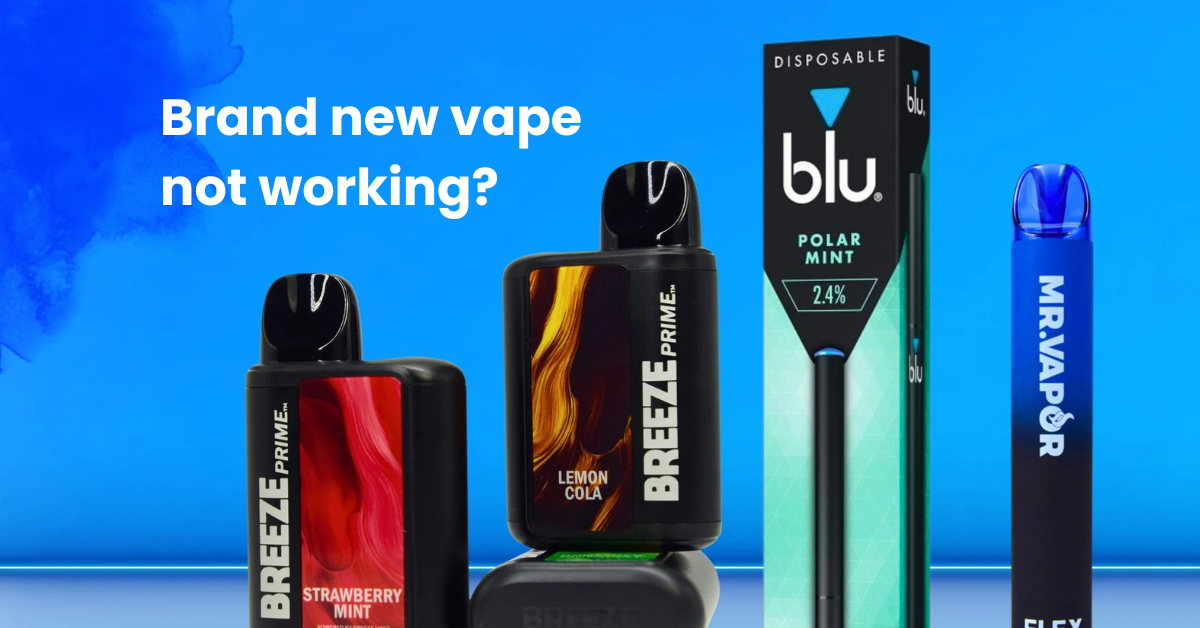
A brand new disposable vape not working can be incredibly frustrating, especially when you’ve just bought it and expect it to perform right out of the box. Manufacturers design disposable vapes to be simple and hassle-free, no setup, charging, or refilling. That’s why it feels so frustrating when a brand-new vape won’t hit, doesn’t fire, or produces no vapor.
While many issues are minor and fixable with a few simple steps, some problems point to factory defects or serious malfunctions that may require replacement. This troubleshooting guide covers everything from the basics of how disposable vapes work to the most common problems, detailed fixes, prevention tips, and what to do if your vape is defective.
Why Your Brand New Disposable Vape Isn’t Working
There are several reasons why a brand-new disposable vape isn’t working as expected. Sometimes, the issue is as simple as blocked airflow or a protective seal that hasn’t been removed. Other times, the problem is related to the battery, coil, or auto-draw sensor.
Disposable vape problems can also result from improper storage during shipping, extreme temperatures, or damage that occurred before the product even reached you. In rare cases, a disposable vape malfunction comes from a factory defect or poor quality control. Knowing whether you’re facing a minor troubleshooting step or a genuine defect will help you decide whether to fix it yourself or request a replacement.
How Disposable Vapes Work: Understanding the Basics
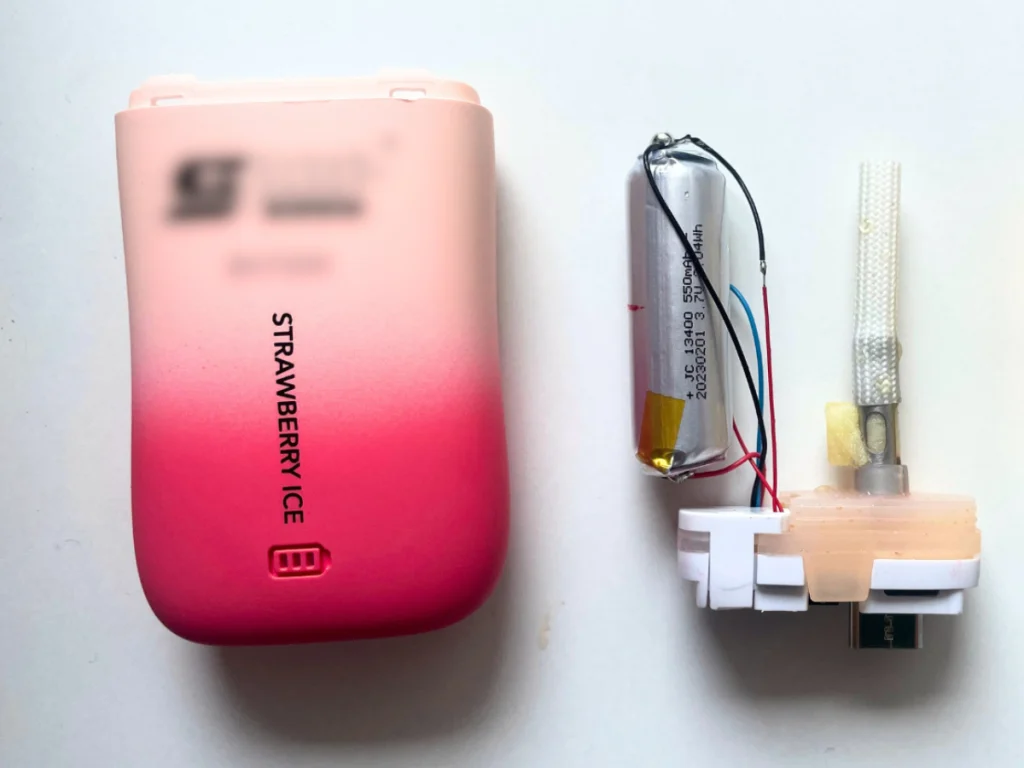
To troubleshoot effectively, it helps to understand how disposable vapes function. An activation sensor, a coil or heating element, a lithium-ion battery, an airflow mechanism, and a reservoir of pre-filled e-liquid are the basic components of disposable vapes.
Most disposables are auto-draw devices, meaning they don’t require buttons; instead, the sensor detects your inhale and activates the battery, which powers the coil to vaporize the e-liquid. When everything works properly, the vape produces smooth vapor through the mouthpiece.

If the airflow is blocked, the vape won’t activate. A loose battery connection means the coil won’t heat up. And if the coil is faulty, you’ll get no vapor at all, even with a fully charged battery. Additionally, the gadget might not ignite or produce very weak hits if the coil has been flooded or leaky with e-liquid. Understanding this system will help you identify the root of the problem when your new vape is not working.
Common Issues with Brand New Disposable Vapes
Disposable vapes may be marketed as simple, but new users often encounter problems, such as a disposable vape not hitting or producing weak vapor. Some of the most common issues include:
- The battery is not activating due to a poor connection
- Blocked airflow caused by packaging, debris, or clogged holes
- Coil problems such as flooding, burnout, or manufacturing defects
- E-liquid leakage that prevents proper heating
- Auto-draw sensor malfunction or misalignment
- Protective seals or stickers left in place that restrict operation
- Temperature damage from overheating, freezing, or improper storage
- Complete factory defects where the vape was broken before purchase
Not all disposable vape issues can be fixed, but many are minor enough to resolve with simple troubleshooting.
Step-by-Step Troubleshooting for New Vapes
When a disposable vape won’t work, follow this troubleshooting guide to rule out common problems before assuming it’s defective.
Step 1: Check the packaging. Some disposable vapes ship with stickers covering airflow holes or insulating tabs over the battery to prevent accidental activation during shipping. Make sure all seals and covers are fully removed.
Step 2: Test the airflow. Take a gentle puff and see if the LED light activates. If there is no response, the airflow sensor may be blocked. Use a toothpick or small pin to clear the airflow holes near the base.
Step 3: Inspect the mouthpiece. A disposable vape not hitting is often caused by a clogged or blocked mouthpiece. Dust, debris, or even excess e-liquid can prevent proper airflow. Wipe the mouthpiece clean with a tissue or cotton swab.
Step 4: Adjust your draw strength. Auto-draw sensors sometimes fail to detect very light inhales. Try taking a slightly stronger puff to activate the heating element.
Step 5: Tap or shake gently. If the coil is flooded with e-liquid, the vape may not fire. Gently tapping the device on a surface or giving it a light shake can help redistribute the liquid.
Step 6: Check for leaks. If e-liquid has leaked inside the device, the coil or battery connection may be compromised. A strong chemical smell or sticky residue near the mouthpiece usually indicates a leak.
Step 7: Warm it up. If your disposable vape has been exposed to very cold temperatures, the e-liquid may be too thick to vaporize properly. Holding the vape in your hands for a few minutes can restore function.
Step 8: Confirm battery life. Most disposables are pre-charged, but occasionally a unit may have a dead or faulty battery. If your vape has a charging port, try plugging it in for a short time. If not, and it still doesn’t activate, the battery may be defective.
Step 9: Try again with caution. After troubleshooting, take a careful puff. If the device still won’t hit, the issue is likely a manufacturing defect rather than a fixable problem.
When Your New Disposable is Truly Defective
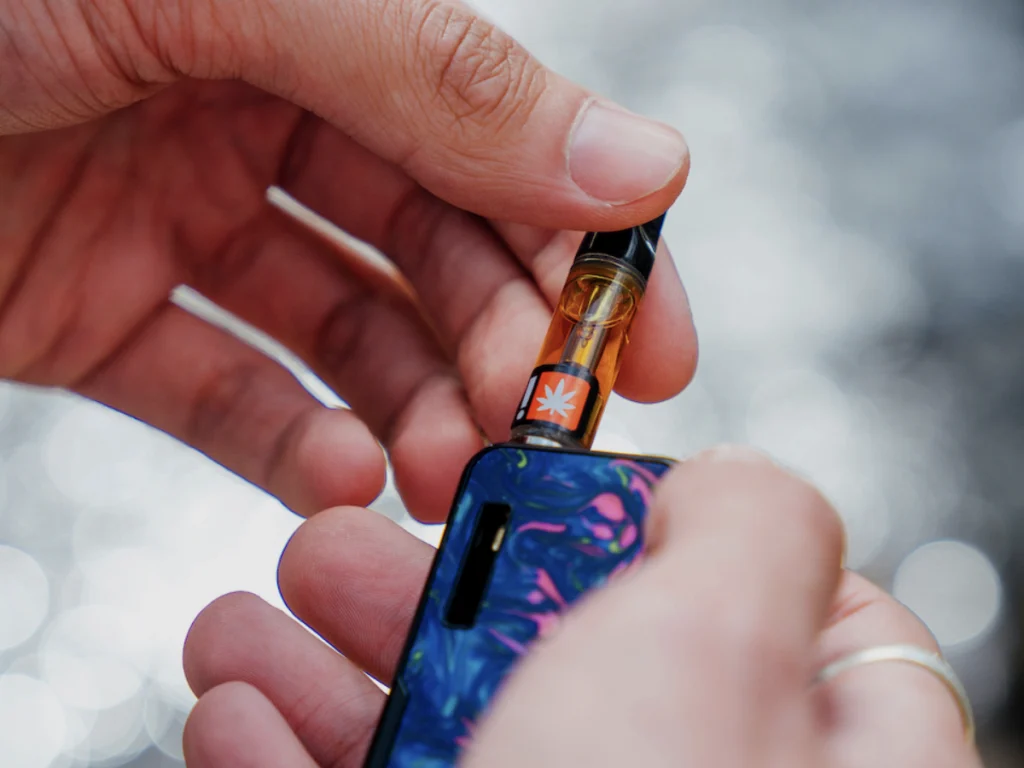
Despite following all troubleshooting steps, some disposable vapes simply won’t work. In this case, the problem is most likely a factory defect. Disposable vape malfunctions can occur if the coil wasn’t installed correctly, the battery was never properly connected, or the auto-draw sensor was damaged during manufacturing.
Unfortunately, these issues cannot be repaired by the user. Signs of a truly defective vape include no response to any troubleshooting, no LED light activation, no sound from the coil, or a total lack of vapor, even when the battery is working.
Prevention Tips: Avoiding New Vape Problems
To reduce the chances of running into disposable vape problems in the future, consider these prevention tips. Always buy from reputable brands and trusted retailers rather than questionable sources. Look for quality seals, tamper-proof packaging, and expiration dates. Store disposables at room temperature, avoiding exposure to extreme heat, cold, or direct sunlight.
Keep the devices upright to minimize leaking and avoid squeezing or pressing them too hard. Handle your vape with care to prevent internal damage before use. Proper storage and responsible handling will prevent many issues that cause a brand-new vape not to work.
When to Seek a Refund or Replacement
If your disposable vape won’t hit after trying all the troubleshooting steps, it’s time to seek a refund or replacement. Many vape brands and retailers offer return policies for defective products, especially if you act quickly after purchase. Keep your receipt, packaging, and proof of purchase, as most stores require these for refunds.
Online retailers often require photos or videos as evidence of the defect. While not every store accepts returns due to hygiene concerns, larger vape brands and licensed shops typically honor replacements for defective units. If your vape is under warranty, you can claim a replacement or refund.
Choosing Reliable Disposable Vape Brands
The best way to avoid disposable vape problems is to choose reliable brands with strong quality control. Popular names such as Puff Bar, Elf Bar, Hyde, Geek Bar, Lost Mary, and Breeze are known for consistency, though even these can occasionally have defects. Be cautious of counterfeit or imitation products, which are more prone to malfunction.
Buying from licensed vape shops or verified online retailers lowers the risk of ending up with a defective vape. Before purchasing, read customer reviews to see if the brand has a history of disposable vape issues. Prioritizing trusted sources ensures a higher chance that your disposable will work as intended.
Sum Up
Experiencing a brand-new disposable vape not working is frustrating, but it’s not uncommon. Most disposable vape problems are minor and fixable with simple troubleshooting steps such as clearing airflow, removing seals, checking the mouthpiece, or warming the device. In some cases, a real factory defect causes the issue, and you can’t fix it at home.
By understanding how disposable vapes work, carefully troubleshooting common issues, and buying from trusted brands, you can minimize the chances of running into a defective product. If your new vape won’t hit despite every effort, don’t hesitate to seek a refund or replacement. Choosing reliable brands and proper storage practices will help you enjoy a smooth and hassle-free vaping experience in the future.
