




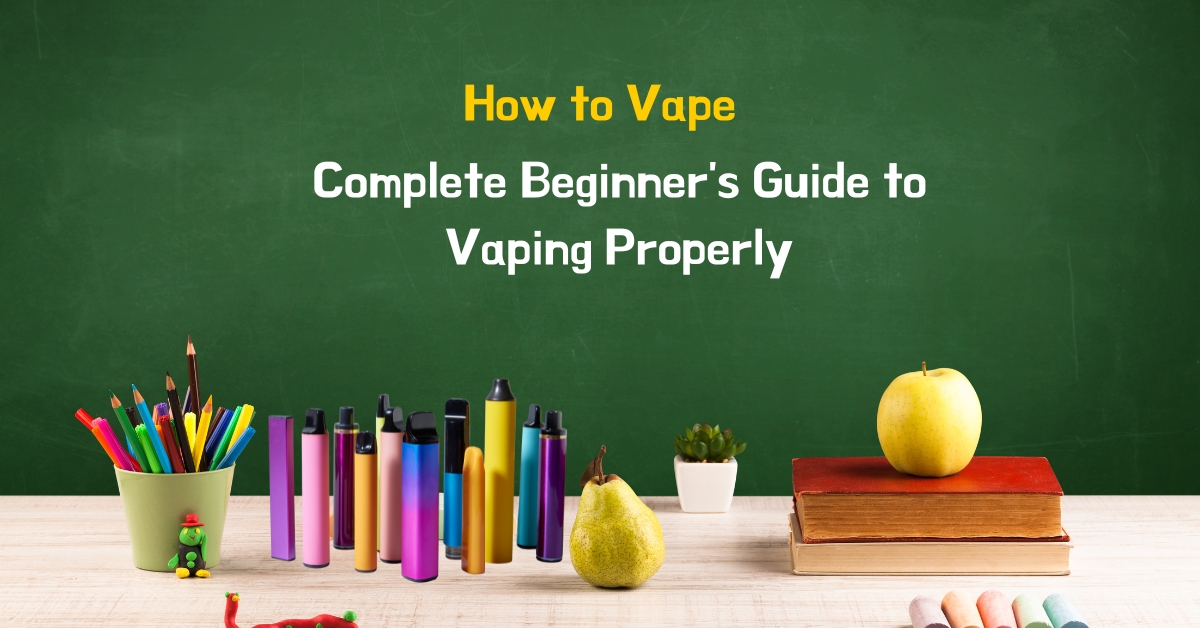
If you are new to vaping and wondering how to vape properly, you are not alone. Many beginners who switch from smoking or simply want to explore vaping often feel overwhelmed by the wide variety of devices, e-liquids, techniques, and terminology. The good news is that learning how to vape is much easier than it seems. With the right beginner vaping guide, you can understand how vaping works, how to use a vape step by step, and how to avoid the most common mistakes that new vapers make. This complete guide explains everything from choosing your first vape device to inhalation techniques like mouth to lung (MTL) and direct to lung (DTL), setting up your vape safely, maintaining your device, and troubleshooting common issues.
What is Vaping and How Does It Work?
Vaping is the process of inhaling vapor produced by an electronic device called a vape. Instead of burning tobacco like traditional cigarettes, vapes heat a liquid (called e-liquid or vape juice) that typically contains propylene glycol (PG), vegetable glycerin (VG), flavorings, and nicotine (optional).
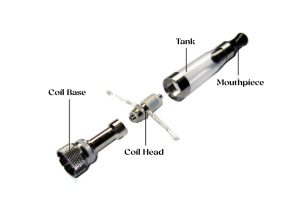
A vape device consists of a few main components:
- Battery: Powers the device and provides energy for heating.
- Tank or Pod: Holds the e-liquid.
- Coil: A heating element made of wire and cotton that vaporizes the liquid.
- Mouthpiece: The part you inhale through.
When you press the fire button (or simply inhale on draw-activated devices), the coil heats up, turning the e-liquid into vapor, which you then inhale. Unlike smoking, there is no combustion, ash, or tar, making vaping a popular alternative for those looking to avoid traditional cigarettes.
Choosing Your First Vape Device
One of the most confusing parts for beginners is figuring out what type of vape to buy. The good news is that most beginner-friendly devices are simple to use and require very little setup. The main categories are:
- Disposable Vapes
- Pre-filled with e-liquid and pre-charged.
- Ready to use right out of the box.
- No refilling or coil changes required.
- Best for those who want zero maintenance.
- Pod Systems
- Small, lightweight, and portable.
- Can use pre-filled pods or refillable pods.
- Great for nicotine salts and smooth draws.
- Very popular among beginners.
- Vape Pens
- Pen-shaped devices with refillable tanks.
- More battery life than pod systems.
- Can handle both freebase nicotine and nicotine salts, depending on coil choice.
- Box Mods with Tanks
- Larger, more powerful, and customizable.
- Best for intermediate to advanced users.
- Allow full control over wattage, coils, and airflow.
For beginners, pod systems or disposable vapes are usually the best starting point. They are compact, affordable, and require little effort to set up.
Understanding E-Liquids: PG, VG, and Nicotine Strength
E-liquid is at the core of vaping, and choosing the right type makes a huge difference in your experience. Let’s break down the basics.
- Propylene Glycol (PG): A Thinner liquid that carries flavor well and hits a stronger throat.
- Vegetable Glycerin (VG): Thicker liquid that produces more vapor and smoother hits.
- Flavorings: Food-grade ingredients that provide the taste of fruits, desserts, tobacco, menthol, and more.
- Nicotine: Optional, and comes in different strengths.
Most e-liquids are a blend of PG and VG. Common ratios are:
- 50/50: Balanced flavor, throat hit, and vapor. Good for beginners.
- 70/30 (VG/PG): More vapor and smoother inhale. Better for direct lung vaping.
- Nicotine salts: Smoother at higher strengths (20–50 mg), commonly used in pod systems.
- Freebase nicotine: Sharper throat hit, available in lower strengths (3–12 mg).
When starting, consider how much you used to smoke. Heavy smokers often start with higher nicotine salts, while light smokers or casual users prefer lower strengths.
How to Set Up Your Vape Device
Once you’ve chosen your vape, you’ll need to know how to set it up properly. Here are the steps:
- Charge the Battery: Always fully charge your vape before first use.
- Fill the Tank or Pod: If refillable, open the fill port and add your chosen e-liquid. Avoid overfilling.
- Prime the Coil: Before using a new coil, drip a few drops of e-liquid directly on the cotton inside the coil. Then let the filled device sit for at least 5–10 minutes. This prevents dry hits and burning the coil.
- Adjust Settings: If your device has wattage control, start at the lower end of the recommended range printed on the coil.
- Take a Few Test Puffs: Start with gentle draws to get the coil working properly.
For disposable vapes, no setup is needed—just inhale and enjoy.
Vaping Techniques: MTL vs DTL Explained
When learning how to vape, you’ll encounter two main inhalation styles:
- Mouth to Lung (MTL)
- Inhale into your mouth first, then into your lungs.
- Similar to how you smoke a cigarette.
- Provides a stronger throat hit and works well with higher nicotine levels.
- Best with smaller devices like pod systems or vape pens.
- Direct to Lung (DTL)
- Inhale vapor directly into your lungs.
- Creates larger clouds and smoother hits.
- Works best with low nicotine and high VG e-liquids.
- Requires more powerful devices like box mods with sub-ohm coils.
For beginners, MTL vaping is usually the easiest transition. Once you gain confidence, you can experiment with DTL vaping if you prefer larger vapor production.
How to Inhale Properly When Vaping
Improper inhalation is one of the biggest reasons beginners cough or struggle with vaping. To inhale correctly:
- Take slow, steady puffs instead of sharp drags.
- For MTL, draw into your mouth, hold briefly, then inhale into your lungs.
- For DTL, inhale directly into your lungs in a longer, smooth breath.
- Exhale gently without forcing it.
If you experience coughing, check your nicotine strength, e-liquid ratio, and airflow settings. Sometimes switching from freebase to nicotine salts can also reduce harshness.
Vape Maintenance and Care Tips
Taking care of your device not only ensures better performance but also saves you money in the long run.
- Clean the Tank or Pod regularly by rinsing with warm water and letting it dry completely.
- Replace Coils when you notice a burnt taste, weak flavor, or reduced vapor. On average, coils last 1–2 weeks, depending on usage.
- Charge Safely using the recommended cable and avoid overcharging.
- Store properly in a cool, dry place away from direct sunlight.
Proper maintenance helps extend the lifespan of your vape and keeps your experience consistent.
Common Beginner Mistakes to Avoid
Many beginners make the same errors when learning how to vape. Here’s what you should avoid:
- Not priming coils before first use.
- Using the wrong e-liquid ratio for their device.
- Vaping with too high a nicotine strength causes harsh throat hits.
- Chain vaping (taking continuous puffs) and burning the coil.
- Not charging the battery properly or letting it drain fully too often.
Learning how to vape properly is about patience and understanding your device.
Safety Tips for New Vapers
Even though vaping is straightforward, safety is important. Always:
- Use coils and batteries recommended for your device.
- Avoid mixing e-liquids from unknown sources.
- Do not expose batteries to water or extreme heat.
- Keep your vape away from children and pets.
- Dispose of batteries and disposable vapes responsibly.
Troubleshooting Common Vaping Issues
Every beginner faces small issues when learning how to vape. Here’s how to handle them:
- Dry Hits: Usually caused by not priming coils or vaping with an empty tank. Refill and let the coil soak.
- Leaking: Check for overfilling or damaged O-rings.
- Weak Flavor: Replace the coil or try adjusting the wattage.
- Battery Not Charging: Use the correct charger and check for debris in the port.
With practice, you’ll learn to troubleshoot quickly and get back to vaping.
Conclusion
Learning how to vape does not have to be complicated. By understanding the basics of how vapes work, choosing the right device, selecting suitable e-liquids, and practicing the correct inhalation techniques, you can enjoy a smooth transition into vaping. This guide for beginners explained mouth-to-lung versus direct-to-lung vaping, device setup, coil maintenance, and troubleshooting. Whether you are switching from smoking or simply exploring vaping for the first time, patience and practice will help you find the style that works best for you. With the right approach, vaping can be both satisfying and enjoyable while giving you full control over your experience.
FAQs About Vaping
- How do I vape for the first time?
Start with a beginner-friendly device like a pod system or disposable vape. Fill or activate it, prime the coil if needed, and take slow puffs without inhaling too hard. - What is the difference between mouth-to-lung and direct-to-lung vaping?
Mouth to lung (MTL) mimics cigarette smoking by holding vapor in your mouth before inhaling. Direct to lung (DTL) sends vapor straight to the lungs, producing bigger clouds and smoother hits. - How much nicotine should I start with when vaping?
If you were a heavy smoker, start with higher-strength nicotine salts (20–30 mg). Light smokers or casual users may prefer lower strengths (3–12 mg). - Do I need to inhale deeply when vaping?
No. Gentle, steady puffs are better. Inhaling too forcefully can cause coughing or flooding the coil with too much liquid. - How often should I change my vape coil?
Most coils last between one to two weeks, depending on how often you vape and what type of e-liquid you use. You’ll know it’s time when the flavor weakens or tastes burnt.
