



Do vapes have calories is a question more people are asking as vaping becomes more common and health-conscious users want to know if e-liquids add to daily calorie intake. While traditional food and drinks contribute calories through digestion, vaping works differently because it delivers vaporized compounds to the lungs instead of the stomach. E-liquid calories mainly come from vegetable glycerin and propylene glycol, but the actual calorie absorption is minimal since inhalation bypasses the digestive process. Understanding the science behind vape calories, whether disposable vapes contain calories, and whether vaping affects weight gain or loss helps clear up myths about calories in e-cigarettes. This guide explores everything from the calorie content of vape juice to the role of nicotine in appetite suppression and metabolism.
The Technical Answer: Yes, Vapes Do Contain Calories
On a technical level, vapes have calories because the ingredients in e-liquids contain energy, just like food. Vegetable glycerin (VG) contains about 4.32 calories per gram, while propylene glycol (PG) has about 4 calories per gram. These two compounds make up the majority of vape juice, which means e-liquid calories can be measured in milliliters and grams just like beverages or syrups.
Nicotine itself does not add calories, but sweeteners and flavorings used in vape juice may add trace amounts. Therefore, when someone asks do disposable vapes have calories or do e-cigs have calories, the technical answer is yes, but the practical effect is very different.
Where Do Vape Calories Come From?
The calories in vapes primarily come from VG and PG, the two base ingredients of e-liquids. VG is a sugar alcohol derived from vegetable oils and has a slightly sweet taste, which also gives vape clouds their thickness. PG is thinner, carries flavors more effectively, and contributes fewer calories per gram.
Flavorings and artificial sweeteners may contain negligible calorie values, but compared to VG and PG, they are minor contributors. Since most vape liquids are a combination of 50–70% VG and 30–50% PG, calorie counts vary depending on the blend. Vape juice calories are therefore determined mostly by the VG-to-PG ratio.
How Many Calories Are in Different Vapes?
E-liquid calories can be estimated based on how many milliliters you consume. On average, 1 milliliter of vape juice contains about 4 to 5 calories. A standard 60ml bottle of e-liquid would therefore contain roughly 240 to 300 calories in total. Disposable vapes like Geek Bar Pulse, Elf Bar, or Raz vape typically hold 2 to 15ml of liquid, meaning their total calorie content ranges from 10 to 75 calories.
Vape calories per puff are extremely small. Since one puff typically vaporizes about 0.01 to 0.03ml of liquid, that equals only 0.04 to 0.15 calories. To put this into perspective, even an entire day of heavy vaping would not equal the calories in a single bite of bread.
Do You Actually Absorb Calories from Vaping?
The more important question than do vapes have calories is whether the body actually absorbs them. Unlike food, vaporized e-liquid enters the lungs and is absorbed into the bloodstream, bypassing the digestive system. This means calories in vapes are not processed the same way as calories from eating or drinking.
Scientific evidence suggests that while the vapor technically contains trace amounts of energy, the lungs are not designed to extract calories like the stomach and intestines. Therefore, vape calories do not contribute to weight gain. Inhalation results in nicotine and flavors being absorbed, not meaningful caloric intake.
Vaping vs Eating: Why the Calories Don’t Count
When people think about calories, they think about energy intake from food and beverages. With vaping, the process is entirely different. While calories in vape juice exist, the body cannot metabolize them through inhalation.
Comparing vaping to eating a spoon of sugar syrup shows the difference. The syrup delivers calories because it goes through digestion. Vape juice vapor, however, is exhaled almost entirely after inhalation, with minimal amounts of VG or PG entering the bloodstream. The negligible absorption is so small that it has no measurable effect on diet or metabolism.
Popular Vape Brands and Their Calorie Content
Disposable vapes are popular, and many wonder whether brands like Geek Bar, Elf Bar, and Raz have calories worth noting. Geek Bar Pulse with 16ml of liquid would contain about 65 calories in total. Elf Bar disposables, usually around 12ml, carry about 50 calories. Raz vapes with smaller capacities may only have 20 to 30 calories.
However, since the calories are not absorbed through digestion, these numbers remain theoretical. Even if a device holds 60 calories worth of e-liquid, none of it translates into usable energy for the body. This distinction is critical when answering questions like do disposable vapes have calories or are calories in vape pens relevant for diets.
Does Vaping Cause Weight Gain or Loss?
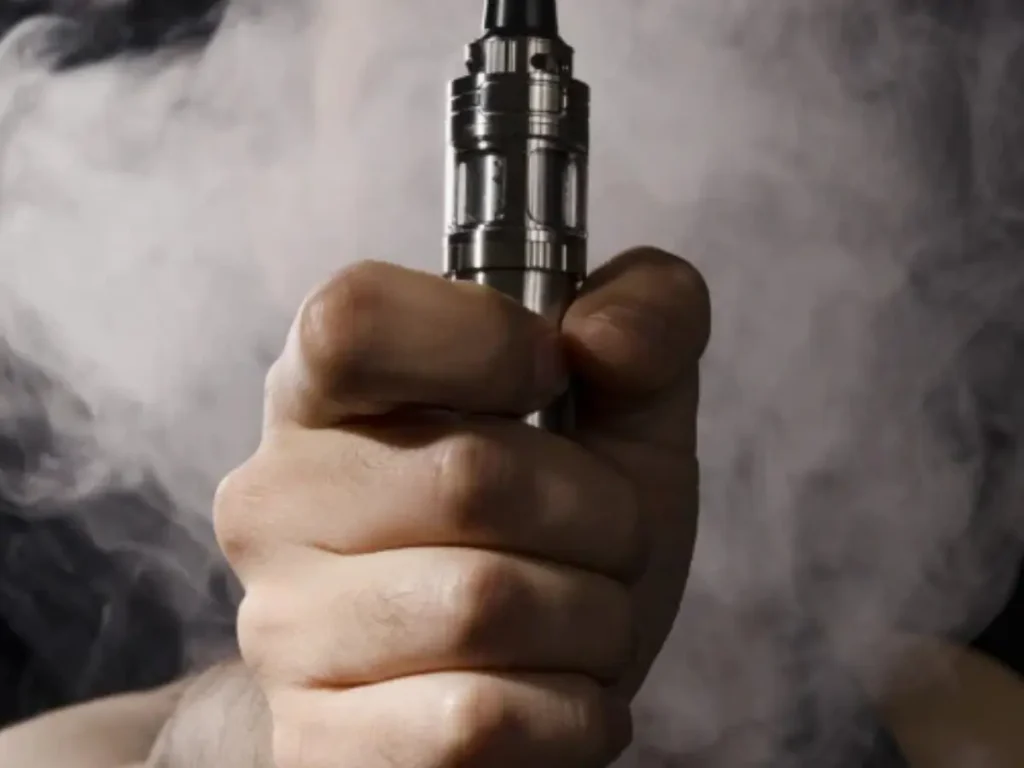
Vaping and weight gain is another area of confusion. Since calories in e-cigarettes are not metabolized, vaping itself does not directly contribute to fat gain. Instead, nicotine plays a larger role in weight regulation.
Nicotine is a stimulant and mild appetite suppressant, which is why smokers often report reduced hunger. Vaping can mimic this effect, leading to lower food intake in some users. On the other hand, when people quit smoking or vaping, appetite often increases, sometimes leading to weight gain. The weight effects are therefore tied to nicotine, not to vape juice calories.
The Role of Nicotine in Appetite and Weight
Nicotine affects metabolism and appetite by stimulating neurotransmitters that suppress hunger. It also increases resting energy expenditure slightly, which may burn more calories throughout the day. This explains why some people feel vaping helps with weight control, while others worry about weight gain when quitting.
However, nicotine is not a safe or sustainable diet tool. While it may reduce appetite temporarily, dependence and health risks outweigh any weight benefits. When evaluating vaping and calories, it is important to separate the calorie myth from the real influence of nicotine on appetite and metabolism.
Should You Be Concerned About Vape Calories?
For people who carefully track their diet, it is natural to ask do vapes have calories that matter. The scientific consensus is that calories in vaping are negligible and not something that contributes to weight gain. Even the heaviest vaping habits would not equate to more than a sip of juice in caloric terms, and those calories are not absorbed.
Instead, users should be more concerned with the health impacts of vaping on the lungs, heart, and long-term wellness rather than on diet or calorie intake. While vape juice calories exist on paper, they are not relevant to practical nutrition or weight management.
Conclusion
The answer to do vapes have calories is yes in a technical sense, but no in terms of actual impact on weight or diet. E-liquid calories come from vegetable glycerin and propylene glycol, but inhalation does not allow the body to process them like food. Disposable vapes from brands like Geek Bar, Elf Bar, and Raz contain measurable theoretical calories, but none of it contributes to weight gain.
Vaping and calories are often misunderstood because people equate vape juice with beverages or sweetened products, yet the absorption process is entirely different. Nicotine may influence appetite and metabolism, but calories in vape pens themselves are irrelevant for weight control. The complete truth is that while vapes have calories in their ingredients, those calories do not count toward daily intake and should not be a concern for diet or fitness.
